We Work With









The four layers of a water digital twin
Four layers. One decision.
A water digital twin, also called a water decision support system (DSS), is a calibrated model of your aquifer, river or network, kept current with the data you have, from monitoring wells and SCADA to satellite observations, and wrapped in the tools your team uses to decide. We build every layer in-house, from the satellite pixel to the dashboard your team opens each morning.
How we build a water digital twin



Our products
Software you can open today.
Alongside the twins we build to order, we make our own engineering software. Each product runs in your browser, so there is nothing to install.
GIS copilot
GeoPilot
Runs the GIS for you. Just ask.
Type the question you would ask an analyst. It picks the GIS operations, runs them on your data, and returns a map, table and report you can check step by step.
Water supply networks
PipePilot
Find where pressure drops in your network before your customers do.
The EPANET 2.3 engine in your browser. Opens and saves EPANET .inp files, with no pipe limit.
Stormwater and drains
DrainPilot
See which streets flood in the design storm, and the drains that cause it.
The EPA SWMM 5.2.4 engine in your browser, for storm drains and sewers, with 2D surface flooding.
Pumping and aquifer tests
PumpPilot
Aquifer parameters you can defend, from the pumping test you ran today.
Fits the Theis, Hantush-Jacob, Papadopulos-Cooper and Neuman solutions, with Cooper-Jacob, recovery and step-drawdown.
Crops and irrigation
AgriPilot
Crop water, irrigation and yield for any field, season by season.
The FAO AquaCrop model in your browser. Included with any Pro plan.
“They transform ideas and raw datasets into high-quality AI-powered dashboards and decision-support systems, and do it fast.”
Faiz Alam
International Water Management Institute
Where it applies
One discipline. Every water decision.
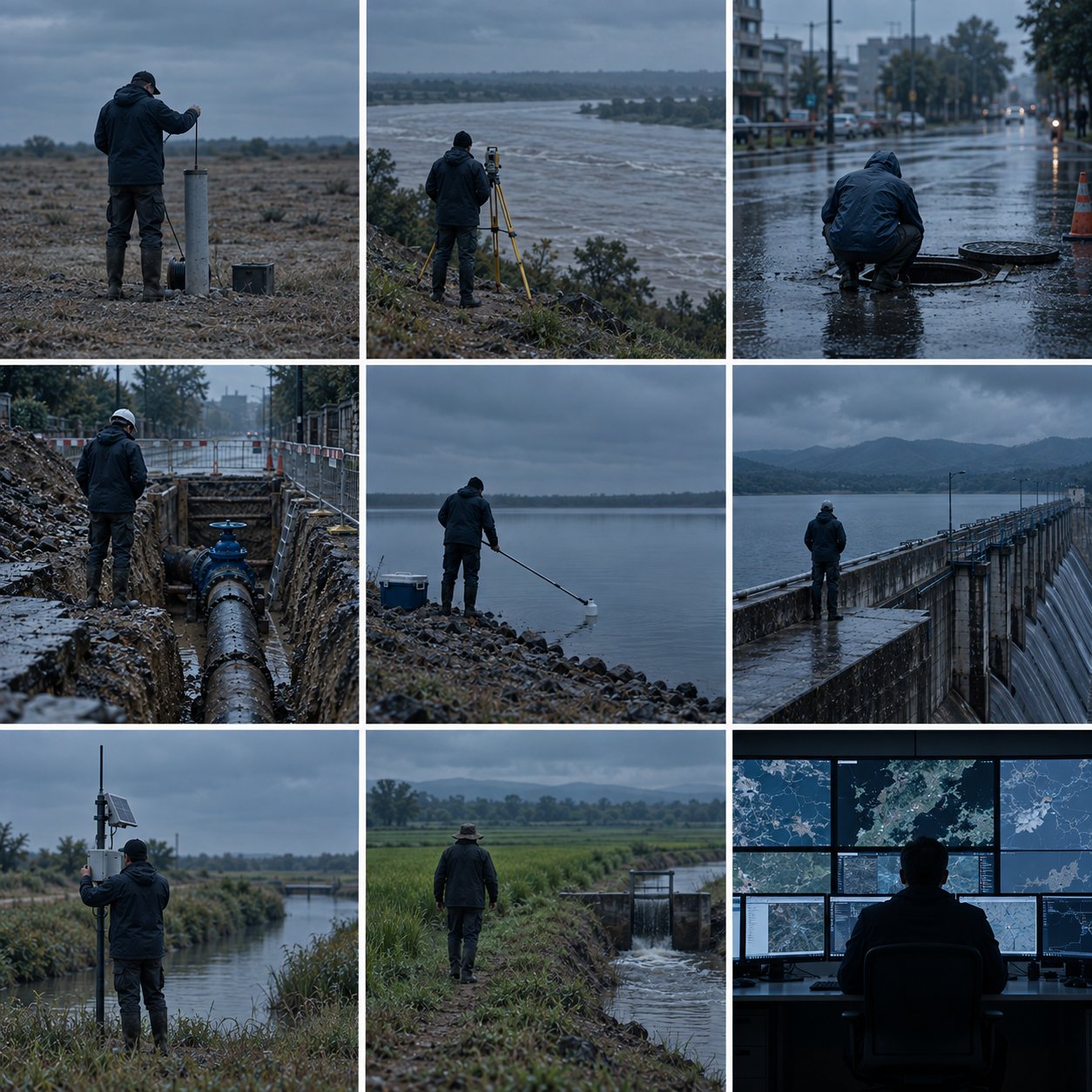
Water is all we do. The same four layers adapt to the question in front of you: underground, on the surface, or across a network.

Groundwater
How much can safely be abstracted, and what recharge returns.
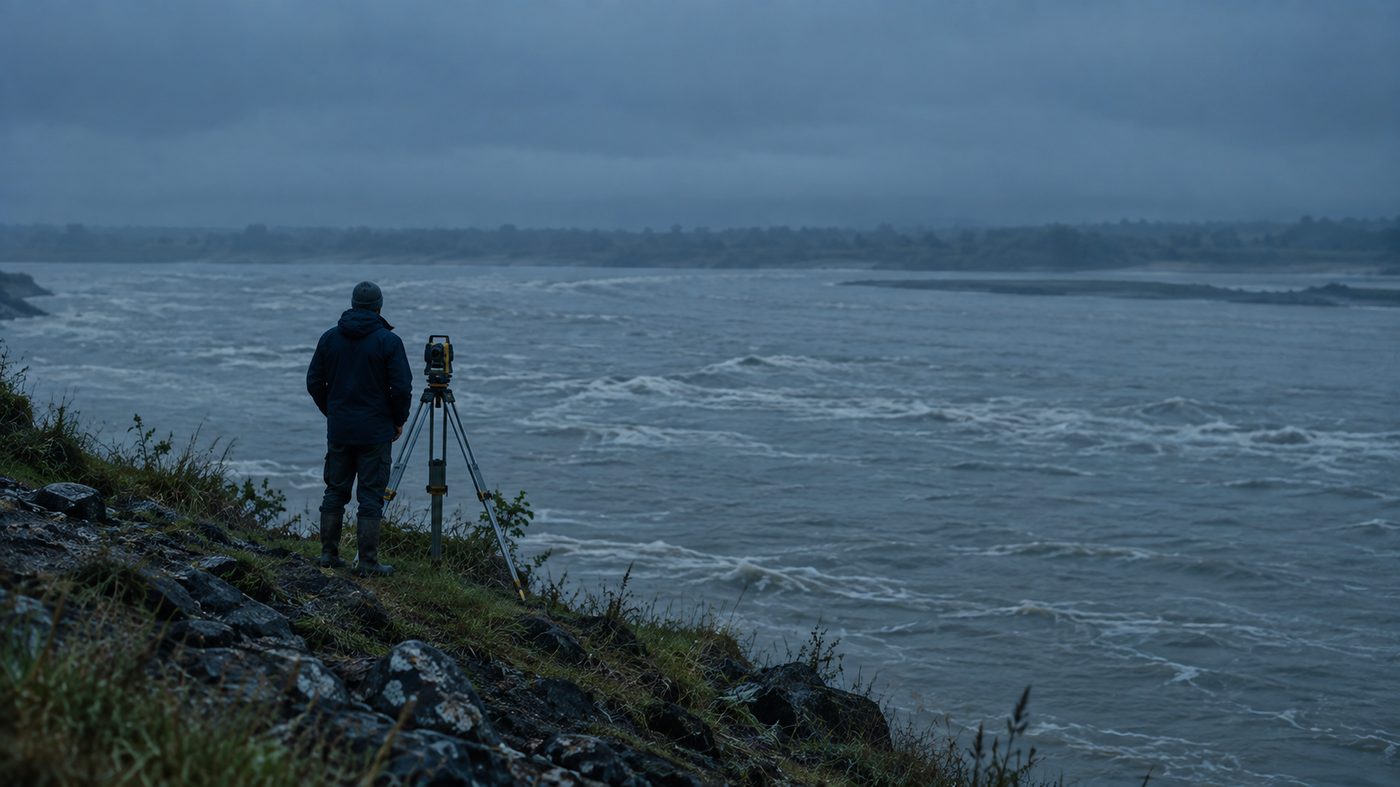
Floods and surface water
Where water goes in an extreme event, and what changes it.

Urban drainage
Whether the network copes, and where it surcharges when it does not.
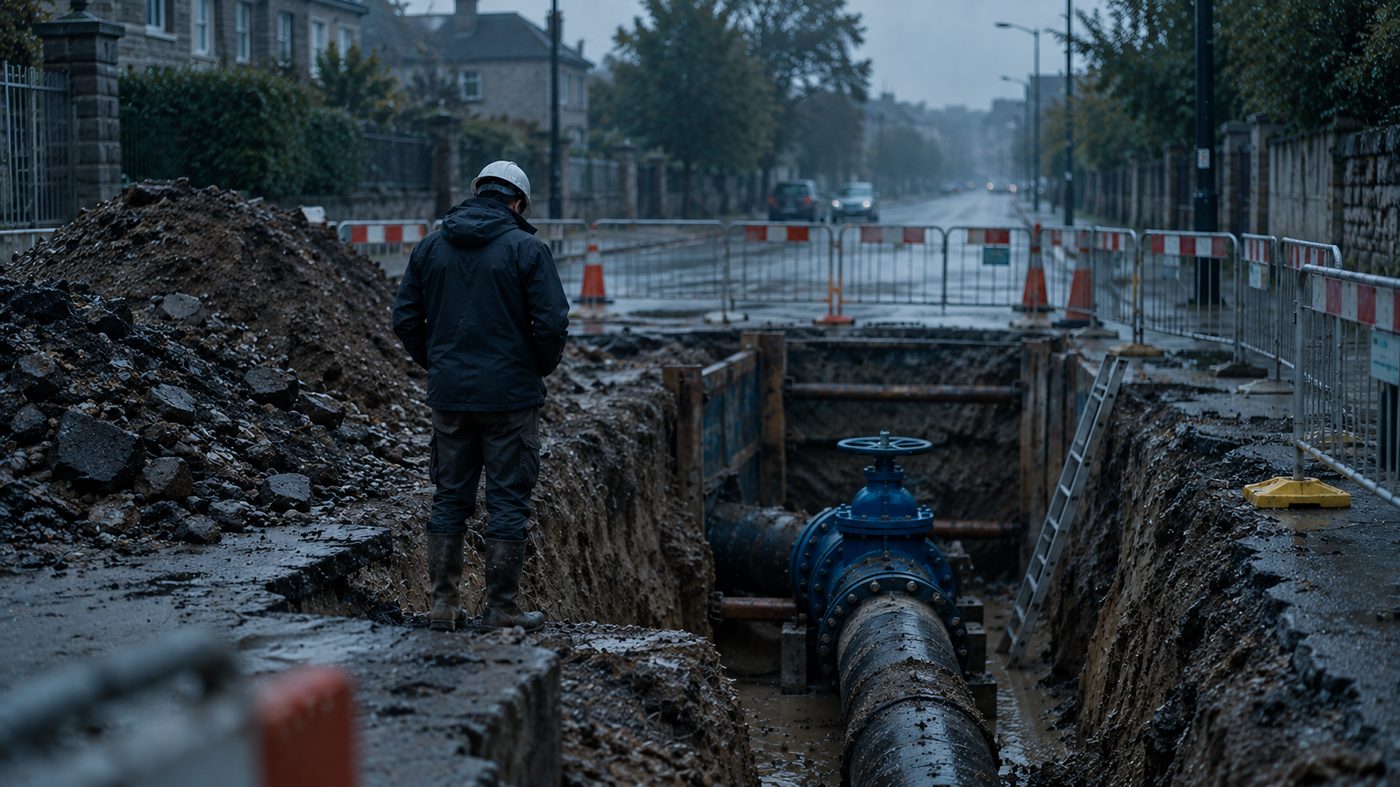
Distribution networks
Where pressure fails, and what a repair is worth.
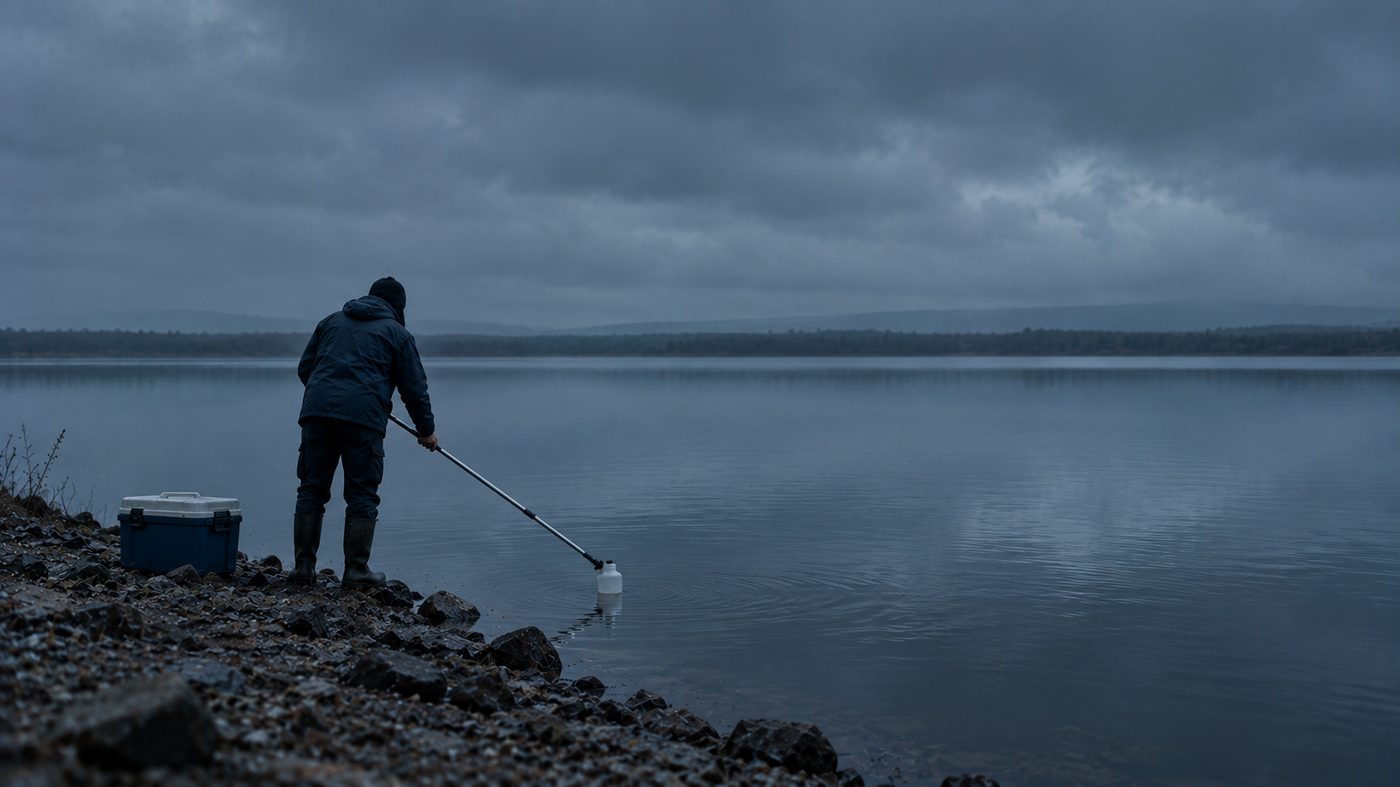
Water quality
What reaches the abstraction point, and when it breaches.
Basin planning
Who gets water and in what order, when there is not enough.
Start with the decision
Tell us the decision you're trying to make.
Describe the water question in front of you, and we'll design the digital twin that answers it, or build it into the systems you already run.