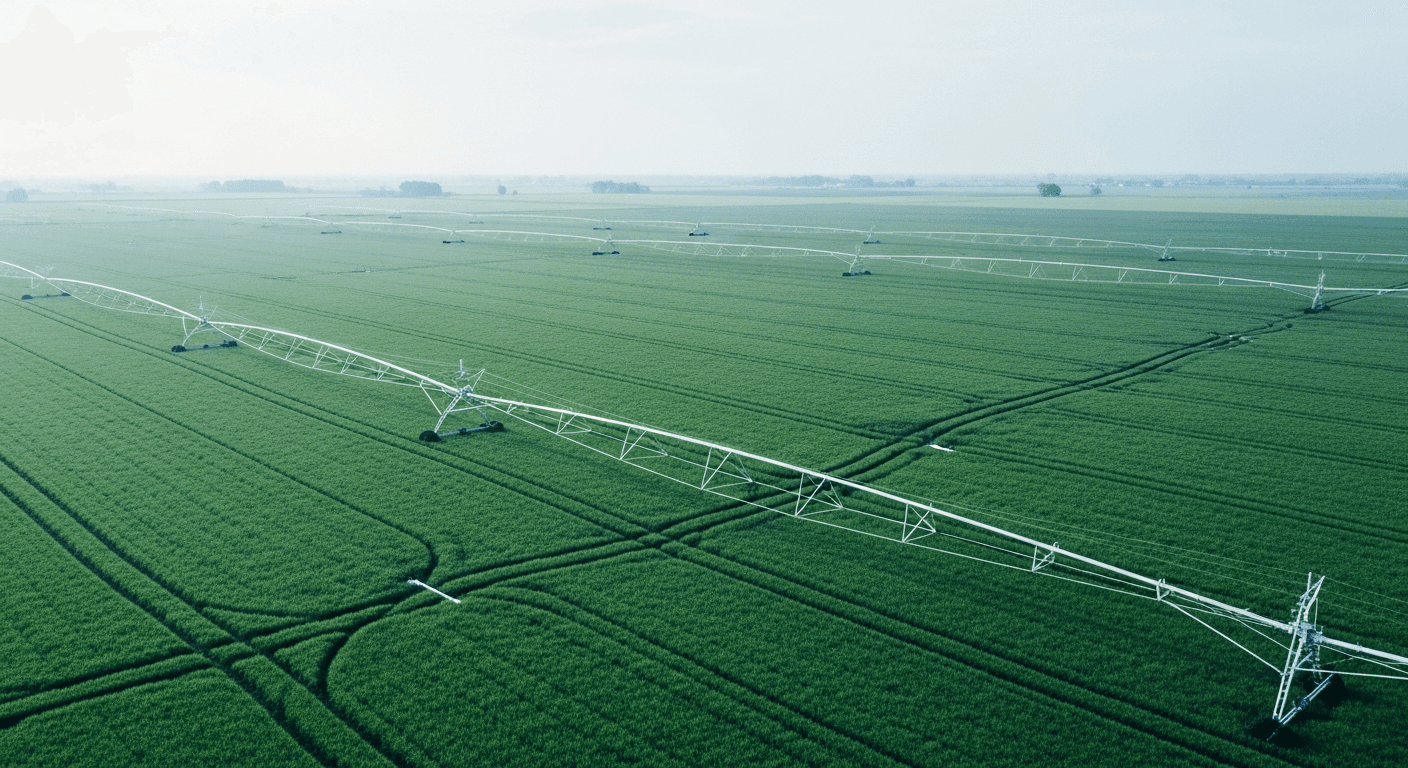
Agriculture
Precision Water Management for Higher Yields

How We Can Help
At Smart Bhujal, we understand that water is your most critical input for successful farming. Our team combines deep agricultural expertise with cutting-edge AI technology to help you irrigate smarter, not harder. Whether you're managing a small farm or large agricultural estate, we provide practical, data-driven insights that reduce water waste while improving crop health and yields.
How the work runs
How a agriculture engagement runs, from the decision that starts it to the one it hands back.
Fix the irrigation decision
We start from what has to be decided: how much to apply to which block this week, or whether the borewell can carry another season of the same crop.
Map blocks and borewells
Soil type, crop calendar, existing schedule, pump ratings and borewell depths are recorded block by block, because a field-average number hides where the waste actually is.
Meter soil and water level
Soil moisture probes go into representative blocks and automated water level sensors into the wells, so both the demand side and the source side are measured rather than assumed.
Compute crop water demand
Evapotranspiration is calculated with the FAO Penman-Monteith equation and crop coefficients, then refined against the local sensor readings and the seven-day weather forecast.
Test against recharge
The proposed pumping is checked against modelled recharge from rainfall, return flow and lateral inflow, so the schedule stays inside what the aquifer gives back.
Hand over the schedule
The farm operates a block-by-block irrigation schedule and a pumping limit, and both are revised as new soil moisture and water level readings arrive.
Key Challenges
Inefficient irrigation leading to water waste
Groundwater depletion and declining well yields
Unpredictable weather affecting crop water needs
High energy costs for pumping
Our Solutions
Smart irrigation scheduling based on soil moisture and weather data
Groundwater monitoring and sustainable extraction planning
Crop water demand forecasting using AI
Pump efficiency optimization and energy cost reduction
Frequently Asked Questions
Smart irrigation uses soil moisture sensors, weather data, and crop evapotranspiration models to apply water only when and where needed. This precision approach typically reduces water use by 30-40% compared to traditional flood or time-based irrigation while maintaining or improving crop yields.
Crop water demand (evapotranspiration) is the amount of water a crop needs based on its growth stage, weather conditions, and soil type. We calculate it using the FAO Penman-Monteith equation combined with crop coefficients. Our AI models refine these estimates using local sensor data for greater accuracy.
We deploy automated water level sensors in wells and boreholes that transmit data via cellular or satellite networks. This continuous monitoring reveals pumping impacts, seasonal trends, and long-term aquifer behavior. Alerts notify farmers when levels drop below sustainable thresholds.
Drip irrigation delivers water directly to plant roots with 90-95% efficiency, minimizing evaporation and runoff. Sprinkler systems achieve 75-85% efficiency but cover larger areas more economically. We help farmers choose the right system based on crop type, field size, and water availability.
Yes, we offer scalable solutions for farms of all sizes. For small farms, simple soil moisture sensors with smartphone apps provide significant benefits at low cost. As farm size increases, more sophisticated automation and zone-based control become cost-effective.
By integrating weather forecasts, irrigation schedules adjust automatically for upcoming rainfall, temperature, and humidity. This prevents over-irrigation before rain events and increases irrigation during heat waves. Our systems use 7-day forecasts to optimize weekly irrigation plans.
Sustainable extraction means pumping no more than the aquifer recharges over time. We model recharge rates from rainfall, irrigation return flow, and lateral inflow to determine safe pumping limits. Exceeding these limits causes long-term water level decline and eventually well failure.
Pump energy costs can be reduced by matching pump capacity to actual needs, maintaining equipment properly, irrigating during off-peak electricity hours, and switching to solar-powered systems. We analyze pump performance curves and operational patterns to identify savings opportunities.
Deficit irrigation intentionally applies less water than the crop's full requirement during drought-tolerant growth stages. This strategy saves water while maintaining acceptable yields for certain crops like grapes, olives, and some grain crops. We help identify optimal deficit levels for your specific crops.
Waterlogging and salinity result from poor drainage and salt accumulation from irrigation water. Prevention includes proper field drainage, leaching irrigations to flush salts, and monitoring soil salinity. We design irrigation schedules and drainage systems to maintain long-term soil health.
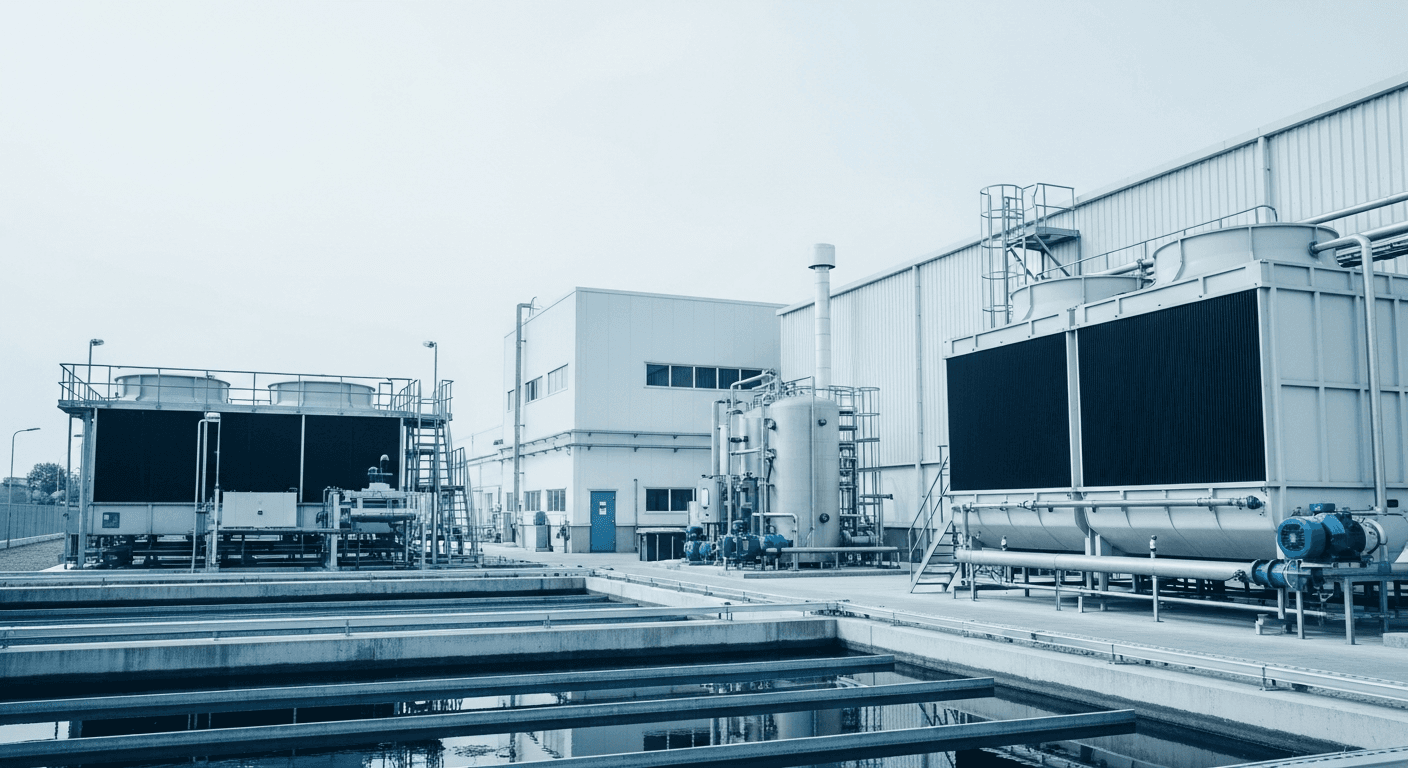
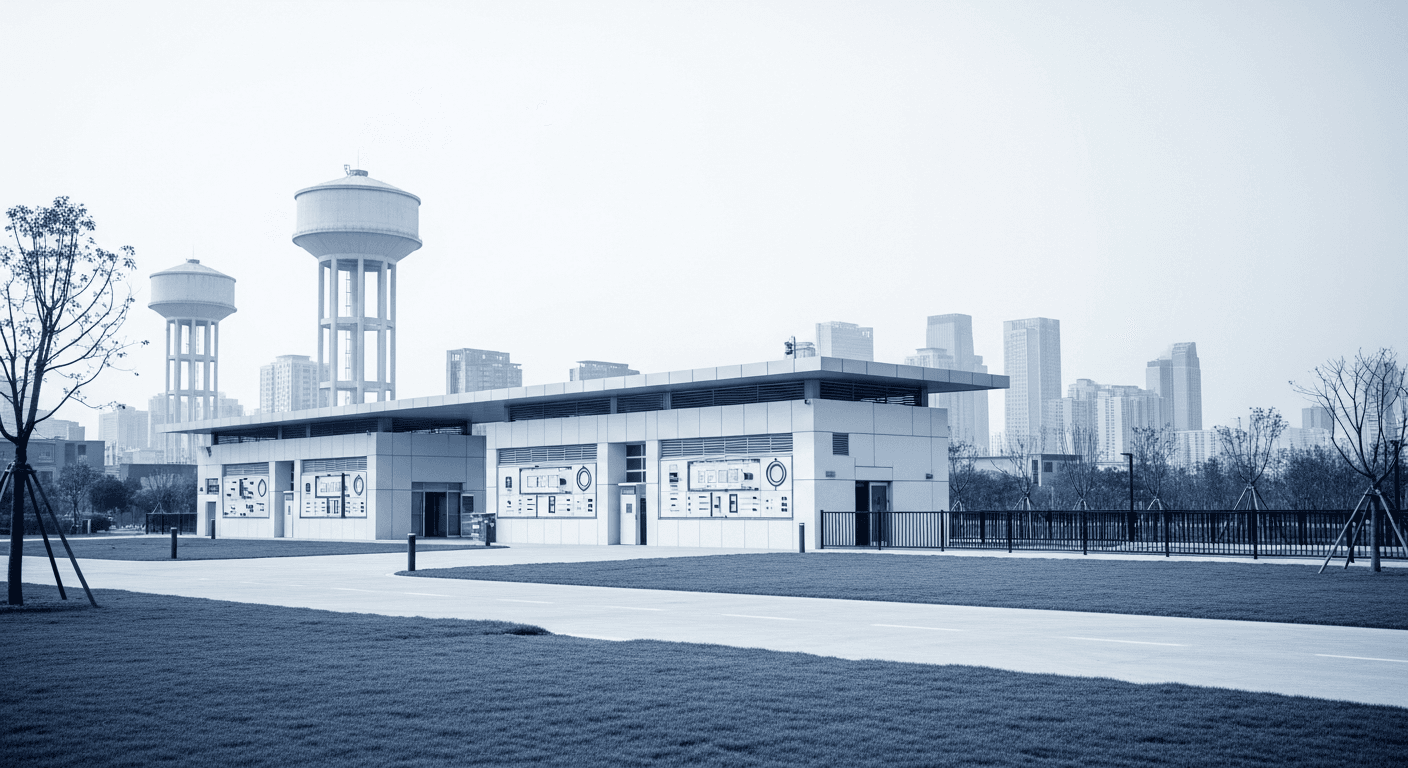
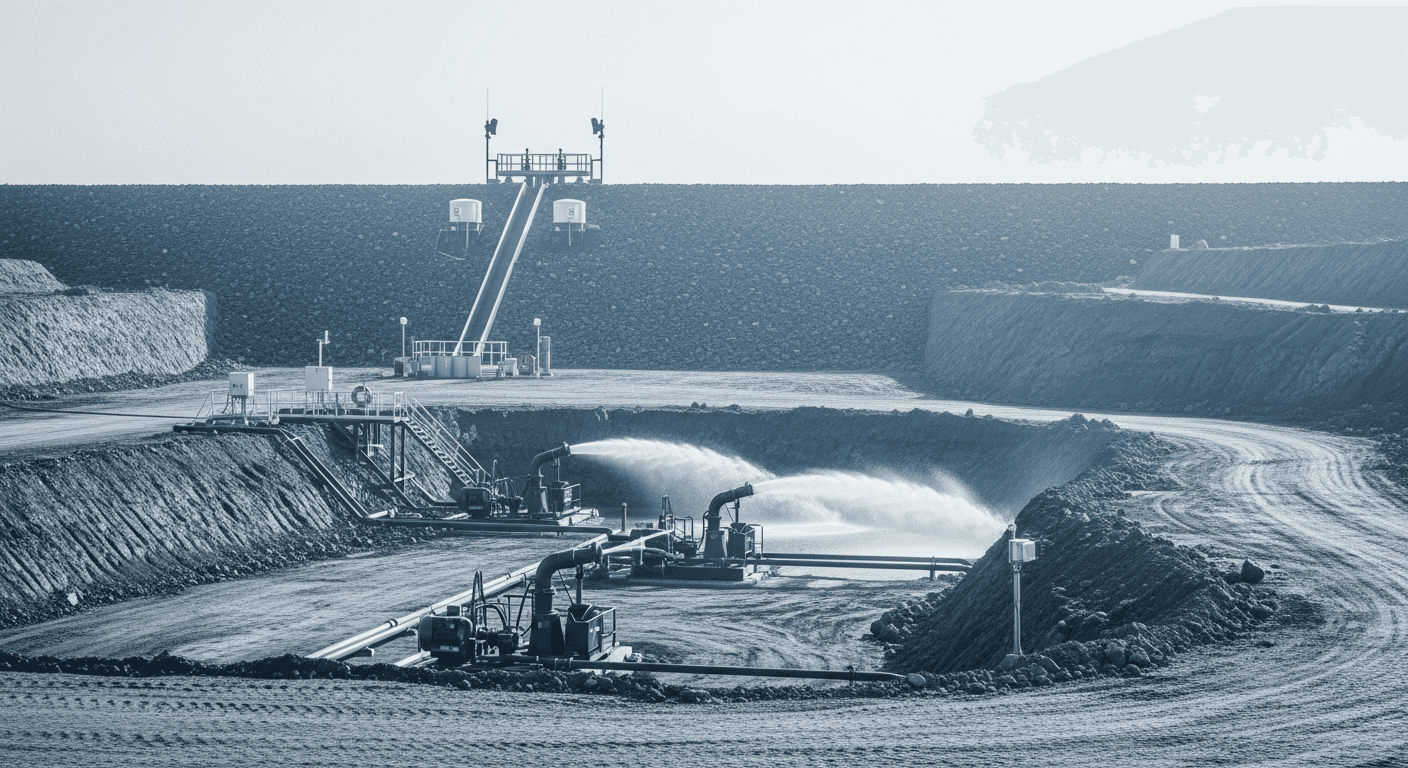
Ready to Transform Your Agriculture Water Management?
Let's discuss how we can help you achieve your water efficiency goals.